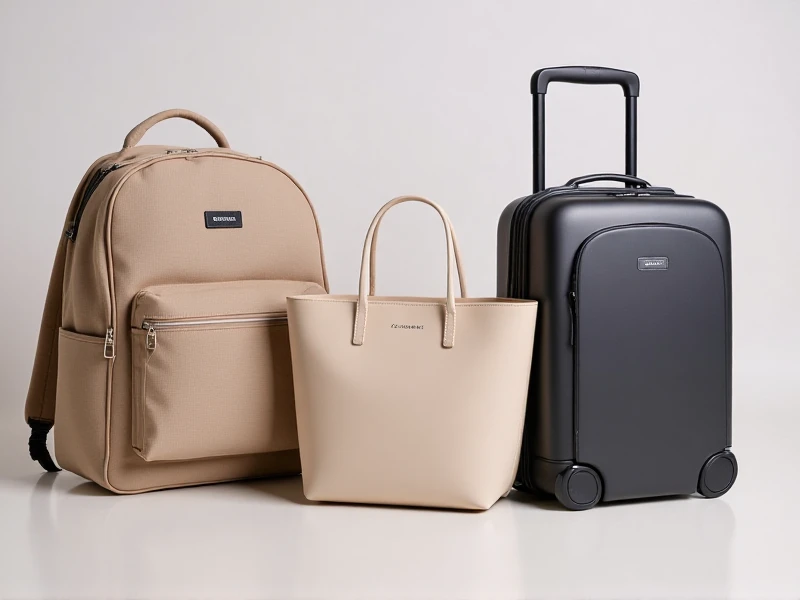
Unlock Your Adventure: The Ultimate Guide to Choosing Your Perfect Backpack
A backpack isn't just a bag; it's your indispensable partner for navigating life, from rugged mountain trails to bustling city streets. Choosing the right Backpack can transform your experience, offering comfort, organization, and essential protection for your gear. Whether you're a student hauling textbooks, a commuter juggling tech gadgets, or an explorer seeking the summit, the perfect fit is out there.
Why the Right Backpack Matters
A well-designed Backpack does more than just carry weight. It distributes it intelligently across your body. Modern ergonomic designs feature padded, adjustable shoulder straps and supportive back panels—some even incorporate breathable mesh—to significantly reduce strain on your shoulders and spine during long carries. Investing in quality means investing in your physical well-being.
Exploring the Different Types of Backpacks
- Hiking/Outdoor Backpacks: Built for endurance. Look for durable, often water-resistant materials like ripstop nylon, reinforced stitching, a supportive internal frame (for larger packs), and features such as external gear loops, hydration bladder compatibility, and rain covers. Capacity often ranges from 20L to 70L .
- Everyday Carry/Daypacks: Versatility is key. Typically 18L-30L, these prioritize comfortable daily use with good organization—designated laptop sleeves, multiple compartments, pen slots, water bottle pockets. Styles vary from minimalist to more structured designs.
- Laptop Backpacks: Security and protection are paramount. Dedicated padded laptop compartments (check the maximum size it fits!), often combined with organizational features for tech accessories (cables, tablets, chargers). Many offer anti-theft features like lockable zippers or hidden compartments.
- Travel Backpacks: Designed for mobility. Often have a "carry-on" friendly size (approx. 35L-45L), comfortable straps for walking, and features like side-loading or clam-shell openings for easy packing/unpacking. May integrate a hidden hip belt or stowable straps.
Key Features to Consider
- Size/Capacity: Match the volume (liters) to your typical load. Don't overload a small daypack; equally, avoid an oversized pack that encourages overpacking.
- Comfort: This is non-negotiable. Prioritize padded straps (especially torso-length-adjustable straps for hiking packs), a breathable and supportive back panel, and for heavier loads, look for a sturdy hip belt to transfer weight.
- Organization: Think about your needs. Do you need a separate laptop compartment? Several small pockets? A main cavern? Side mesh pockets for water bottles or wet gear? Prioritize layouts that suit your routine.
- Material & Durability: Look for high-denier nylon or polyester fabrics. Higher denier numbers generally indicate greater fabric strength and abrasion resistance. Reinforced stitching, especially at stress points like strap anchors and zippers, is crucial for longevity.
- Weather Resistance: While not all packs are waterproof, many feature treated fabrics (DWR coating) for light rain. Consider integrated rain covers for hiking packs or use a separate waterproof bag for essentials.
Ultimately, the ideal Backpack feels like a natural extension of yourself – comfortable, reliable, and perfectly suited to your adventures, big or small. Take the time to assess your needs, try different models (loaded!), and choose the one that empowers your journey. Your trusty Backpack will be ready whenever duty calls.